Vapor Trail Gen 7 Arrow Rest Review: Key Features Explained
Reviewing the vapor trail gen 7 arrow rest: key specs, pros and cons, who it suits, and how it compares to two Vapor Trail alternatives before you buy.
 By Ethan Brooks
Updated November 12, 2026
 By Ethan Brooks
Updated November 2026
The vapor trail gen 7 arrow rest is a drop-away style rest built for target archers who want a clean, quiet arrow launch and a simple setup on a standard riser. This review is a research-based look at the Vapor Trail Archery Gen 7X Right Hand model, based on its listing details and the patterns owners commonly describe. It suits archers who shoot a compound bow with a right-hand grip, want a standard bracket, and value a rest that stays out of the way at full draw. It is a weaker fit for left-handed shooters, for archers who need a specific bracket style for an unusual riser, or for anyone who wants a rest with a long track record of hands-on tuning guides already written around it. Read on for specs, pros and cons, and a buying guide.
Vapor Trail Archery Gen 7X Arrow Rest, Right Hand, Standard Bracket, Black Cage, (7XRH01)
Product Overview
The Vapor Trail Archery Gen 7X is a containment-style arrow rest sold in a right-hand configuration with a standard bracket and a black cage. The model number 7XRH01 identifies the right-hand version. Vapor Trail positions the Gen 7 line as a refinement of earlier cage-style designs, with the goal of keeping the arrow controlled through the shot while allowing the rest to retract cleanly as the arrow leaves the bow.
Containment rests like this one hold the arrow inside a cage or arm assembly until the string pushes it forward. That differs from a simple launcher, which mostly supports the arrow’s weight. Containment designs tend to suit archers who want more arrow stability and less reliance on the fletching to keep the shaft steady at the moment of release. The trade-off is that they generally need more careful tuning to avoid contact with the fletching or the shaft.
The Gen 7X is aimed at the archer who has moved past the most basic rests and wants a durable, predictable component for target or hunting-style practice. It is not marketed as a beginner-only product, but a new archer can install it with patience and a bow press or a careful, methodical process.
Key Features & Specifications
The table below lists only the details that appear in the product name and listing title. Where a spec is not confirmed in those details, it is left out rather than estimated.
| Feature | Detail |
|---|---|
| Brand | Vapor Trail Archery |
| Model | Gen 7X (model number 7XRH01) |
| Hand configuration | Right hand |
| Bracket style | Standard bracket |
| Cage color | Black |
| Rest type | Containment-style (cage) arrow rest |
| Amazon ASIN | B09JRMFSHJ |
Check the listing and the manufacturer’s installation sheet for exact measurements such as cage dimensions, weight, and adjustment ranges. Those figures are published by the manufacturer and can change between production runs, so use them as the authoritative reference rather than any secondhand number.
Pros & Cons
Pros
- Right-hand configuration with a standard bracket fits a wide range of common compound risers.
- The containment design keeps the arrow controlled through the shot, which many archers prefer for consistency.
- The black cage has a low-profile look that many shooters find less distracting in a sight picture.
- Vapor Trail’s Gen line is a known family, so replacement parts and tuning information are usually easier to find than for obscure rests.
- A clear model number (7XRH01) makes it simple to confirm you are ordering the correct hand and version.
Cons
- Right-hand only in this listing, so left-handed shooters need a different model.
- Containment rests require careful tuning; a poorly set cage can contact fletching and hurt accuracy.
- Installation is more involved than a basic drop-away, and some archers will want a bow press.
- Owners who switch from a simple rest may need to re-tune arrow spine and nock height.
- Detailed, model-specific tuning videos and guides are less abundant than for some longer-established rests.
Performance Analysis
Performance with any arrow rest depends on three things: how well it is installed, how well the arrow is matched to the bow, and how consistently the archer releases. A rest cannot correct a poor shooting form, and no published figure will tell you how a given setup groups at twenty meters. With that caveat, here is what the design and common owner experiences suggest.
Containment rests are generally valued for arrow control. Because the shaft is held inside the cage until the string drives it forward, the arrow’s exit is less affected by small variations in how the archer holds the bow or how the rest’s arms move. Owners of cage-style rests often describe improved group consistency once the rest is properly tuned, and they often note that tuning takes longer than with simpler designs.
Tuning is where most of the performance question gets decided. The usual sequence is to set the rest height so the arrow sits level, check center shot, then adjust the cage so the arrow clears it through its full travel. A paper tune or a bare-shaft test will show whether the arrow is flying straight. If the fletching hits the cage, the rest needs adjustment or the arrow needs a different spine or fletch length. Owners frequently report that the rest works well only after a careful, step-by-step setup rather than a quick bolt-on.
Noise and vibration are a secondary concern. Drop-away rests reduce the rest’s contact with the arrow after release, which is part of why many archers prefer them. Containment designs keep more of the arrow engaged through the shot, so the sound profile can differ. Archers who are sensitive to noise, especially when hunting, should test the setup before relying on it in the field.
Who Should Buy This Product?
This rest is a good match for a right-handed compound shooter who wants a containment-style rest, a standard bracket, and a low-profile look. It suits archers who are willing to spend time on tuning and who already understand basic arrow flight. It is also a reasonable choice for someone upgrading from a basic rest who wants more arrow control, provided they accept that the transition may require re-tuning their setup.
You should skip this product if you shoot left-handed, if your bow needs a different bracket style, or if you want a plug-and-play rest that needs almost no adjustment. Beginners who have never tuned a bow may find the Gen 7X frustrating at first. In that case, a simpler rest and a few lessons with a qualified coach may be the better starting point. Consult a certified archery coach or a pro shop technician if you are unsure about installation or tuning.
Buying Guide
Before buying any arrow rest, confirm four things: your hand, your bracket style, your bow’s riser design, and the type of shooting you do. The Gen 7X is right-hand only in this listing, so check your dominant hand before ordering. Bracket style matters because the rest must mount to your riser correctly; compare the bracket on your bow to the one listed.
Next, decide between containment and drop-away designs. Containment rests like the Gen 7X hold the arrow through the shot. Drop-away rests move out of the way after release. Each has advantages, and the right choice depends on your priorities and your comfort with tuning.
If you want to compare options within the same family, two well-known Vapor Trail models are worth a look:
-
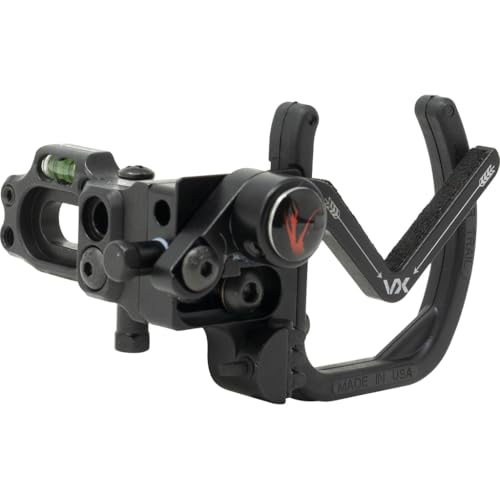
Vapor Trail Archery Pro VX Arrow Rest, Left Hand, Standard Bracket, Black Cage,PXLH01
View on Amazon – a left-hand version with a standard bracket and black cage, useful if you shoot left-handed and want a similar cage design.
-

Vapor Trail Archery Arrow Rest Pro V, Right Hand, Red Arm
View on Amazon – a right-hand Pro V model with a red arm, a good comparison point if you prefer a different look or a different style of arm.
For a broader sense of how these designs fit together, you may find Vapor Trail Arrow Rest Review: Pros and Cons useful, along with What Holds Arrows in Archery: Quivers, Arrow Rests and Holders Explained for background on how rests work alongside other arrow-holding gear. Archers planning a full setup can also read Trophy Taker Arrow Rest: Setup, Tuning and Buying Tips for Beginners for a comparison of installation approaches.
When you install any rest, follow the manufacturer’s instructions, check that all screws are snug without over-tightening, and re-check the setup after the first few shooting sessions. A bow press is useful for cam and limb work, and a qualified technician can help if anything feels off.
FAQ
Is the vapor trail gen 7 arrow rest a containment or drop-away rest?
The Gen 7X is a containment-style rest, meaning the arrow is held inside the cage until the string pushes it forward. Drop-away rests work differently and move out of the arrow’s path after release.
Does the Gen 7X work for left-handed archers?
This listing is the right-hand version (model 7XRH01). Left-handed shooters should look for a left-hand model, such as the Vapor Trail Archery Pro VX listed in this article.
Is the vapor trail gen 7 arrow rest easy to install?
Installation takes more care than a basic rest. Following the manufacturer’s sheet, mounting it carefully, and checking clearance at every step will make the process smoother. Many archers prefer to have a pro shop handle the first install.
Will I need to re-tune my arrows after switching to this rest?
Owners often report re-tuning after a rest change. Check arrow spine, nock height, and cage clearance, then run a paper tune or bare-shaft test to confirm the arrow flies straight.
Does the black cage affect sight picture?
The black cage is designed to be low-profile, which many shooters find less distracting. Individual experience varies with lighting and sight style, so test it in your own setup.
How do I know if the rest will clear my fletching?
Set the rest, then draw and release a few arrows while watching for contact between the cage and the fletching. Adjust cage position or fletch length if contact occurs.
Can I use this rest for hunting?
Some archers use containment rests for hunting, but test noise, arrow retention, and reliability before relying on any rest in the field. A certified coach or pro shop can help you choose a setup suited to your hunting style.
Final Verdict
The vapor trail gen 7 arrow rest is a sound choice for right-handed compound shooters who want containment-style arrow control, a standard bracket, and a low-profile black cage. It rewards careful installation and tuning, and it is less forgiving of rushed setup. If you shoot left-handed, need a different bracket, or want a no-fuss rest, look at the alternatives above before deciding. Check the manufacturer’s specifications on the listing before you buy.
View on AmazonRelated reading
About Ethan Brooks
Ethan Brooks is part of our editorial team and reviews and edits our target archery guides, checking product details against manufacturer specifications and owner feedback.
About the author
Ethan Brooks writes reviews and buying guides for Archery Society.