How to Build Arrows for Archery: 5 Best Books for DIY Arrow Making
Learning how to build arrows for archery? Compare five books on wooden shafts, spine, fletching and tuning to pick the right DIY guide for your skill level.
 By Ethan Brooks
Updated November 21, 2026
 By Ethan Brooks
Updated November 2026
Learning how to build arrows for archery takes patience, good reference material and a clear sense of what matters: shaft straightness, spine, point weight and fletching alignment. The books below were selected by checking publisher descriptions, title scope and the kinds of projects owners often report completing. Each one covers a different slice of the process, from traditional wooden arrows to general archery skills.
Best overall: Traditional Bowyer’s Handbook – View on Amazon
Best for wooden shaft beginners: Making Wooden Arrows: A Master’s Guide – View on Amazon
Best for youth and scout groups: Bow & Arrow, Archery Set for Scouts – View on Amazon
Best for traditional bow and arrow crafts: Wood Fever: All about making wooden bows and arrows – View on Amazon
Best for shooting skills alongside your builds: HowExpert Guide to Archery – View on Amazon
Our Top Picks
Quick Comparison
| Product | Best for | Key feature |
|---|---|---|
| Traditional Bowyer’s Handbook | Full bow and arrow building | Covers shafts and bows |
| Making Wooden Arrows: A Master’s Guide | Wooden arrow specialists | Focused arrow-only coverage |
| Bow & Arrow, Archery Set for Scouts | Youth and group projects | Illustrated step guide |
| Wood Fever | Traditional craft enthusiasts | Broad wooden archery scope |
| HowExpert Guide to Archery | Shooting and form practice | 101 practical tips |
Traditional Bowyer’s Handbook: How to build wooden bows and arrows: longbows, selfbows, & recurves
Traditional Bowyer's Handbook: How to build wooden bows and arrows: longbows, selfbows, & recurves.
Best for: Full bow and arrow building
This suits readers who want to build arrows alongside the bows they will shoot them from, so spine matching makes more sense in context.
Pros
- Covers arrow construction within a wider bowyery framework
- Useful for matching arrows to traditional bow draw weights
Cons
- Arrow content is a smaller part of the book
Making Wooden Arrows: A Master’s Guide

Making Wooden Arrows: A Master's Guide
Best for: Wooden arrow specialists
This is the most arrow-focused title on the list, aimed at builders who want shaft selection, straightening and fletching covered in depth.
Pros
- Concentrates entirely on arrow construction
- Covers shaft selection and fletching in detail
Cons
- Less useful for readers who also want bow building
Bow & Arrow, Archery Set for Scouts (Illustrated “How to Build” Guide Book 1)

Bow & Arrow, Archery Set for Scouts (Illustrated "How to Build" Guide Book 1)
Best for: Youth and group projects
Scout leaders and parents supervising younger builders often look for clear, illustrated steps, which this title is designed to provide.
Pros
- Illustrated steps are easy to follow
- Suited to supervised group builds
Cons
- Less depth on spine calculation for experienced builders
Wood Fever: All about making wooden bows and arrows
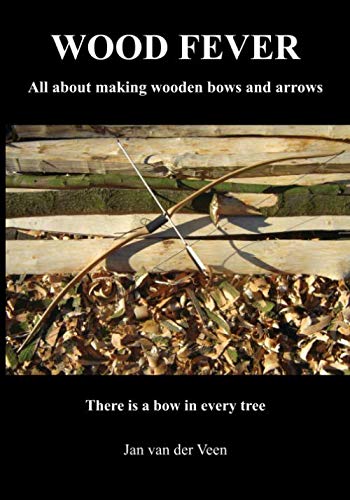
Wood Fever: All about making wooden bows and arrows
Best for: Traditional craft enthusiasts
This fits readers drawn to the craft side of archery who want wooden arrows and bows treated as one tradition.
Pros
- Broad coverage of traditional wooden archery
- Good context on materials and historical methods
Cons
- Arrow steps may be less detailed than dedicated arrow guides
HowExpert Guide to Archery: 101 Tips to Learn How to Shoot a Bow & Arrow, Improve Your Archery Skills, and Become a Better Archer

HowExpert Guide to Archery: 101 Tips to Learn How to Shoot a Bow & Arrow, Improve Your Archery Skills, and Become a Better Archer
Best for: Shooting and form practice
This is a shooting-focused guide, useful once you have arrows built and want to understand how they perform on the line.
Pros
- Practical form and shooting tips in short sections
- Helpful for judging how arrows fly in practice
Cons
- Does not teach arrow construction
Buying Guide
Shaft Material and Straightness
Wood, carbon and aluminum shafts behave differently, and wooden shafts in particular need to be checked for straightness before fletching. Guides that explain how to sight and straighten shafts save time and reduce wasted material.
Good picks for this: Making Wooden Arrows: A Master’s Guide, Traditional Bowyer’s Handbook
Spine and Bow Matching
Spine describes how much a shaft flexes under load, and it must suit your bow’s draw weight and draw length. Books that include spine charts or matching methods help you avoid arrows that fly erratically.
Good picks for this: Traditional Bowyer’s Handbook, Wood Fever
Fletching and Nock Work
Fletching alignment and nock fitting affect how consistently an arrow flies. Look for guides with clear diagrams and step-by-step fletching instructions.
Good picks for this: Bow & Arrow, Archery Set for Scouts, Making Wooden Arrows: A Master’s Guide
Skill Level and Learning Style
Beginners benefit from illustrated, step-by-step books, while experienced builders often want technical depth. Match the book to where you are now rather than where you hope to be later.
Good picks for this: Bow & Arrow, Archery Set for Scouts, HowExpert Guide to Archery
FAQ
Do I need prior woodworking experience to build my own arrows?
Basic hand tool skills help, but most of the books here walk through the process step by step. Starting with a simple wooden shaft project and practicing straightening and tapering will build confidence before you move to full builds.
What is the most important factor when building arrows at home?
Matching spine to your bow’s draw weight and draw length is critical for safe, accurate shooting. Shaft straightness and consistent fletching alignment also make a large difference in how the arrow flies.
Are wooden arrows practical compared to modern carbon arrows?
Wooden arrows are well suited to traditional shooting and can be very rewarding to make and use. Carbon and aluminum arrows are more uniform and durable, so many archers choose them for competition or heavy use.
Can younger archers or scout groups use these books for projects?
Yes, the scout-focused guide is designed with illustrated instructions that suit group settings and younger builders. Adult supervision is still recommended whenever sharp tools or heat-based work are involved.
How do I know if my homemade arrows are safe to shoot?
Check that the shafts are straight, the nocks fit snugly, and the fletching is secure and properly aligned. Test-shoot at a low draw weight first and inspect arrows regularly for cracks or splits before using them with your full bow.
Should I learn shooting technique before building my own arrows?
It helps to have some shooting experience so you can judge how an arrow performs and what needs adjusting. The general archery guide is a good companion if you are still developing your form.
Conclusion
If you want a broad, traditional reference covering both bows and arrows, the Traditional Bowyer’s Handbook is the best place to start. Beginners focused specifically on wooden shafts will find Making Wooden Arrows a clear and practical choice.
For scout groups and younger builders, the illustrated scout guide is the most approachable option, while the general archery guide suits anyone who wants to strengthen shooting skills alongside their building projects.
Related reading
- Two Arrows Archery Nelson: What It Is and How to Use It
- How to Measure Archery Arrows: Length, Spine and Weight Explained
- How to Make Archery Tag Arrows: A Step-by-Step Guide for Beginners
- How to Cut Archery Arrows: A Step-by-Step Guide for Beginners
- How Many Arrows Do You Shoot in Archery? A Beginner's Guide
About Ethan Brooks
Ethan Brooks is part of our editorial team and reviews and edits our target archery guides, checking product details against manufacturer specifications and owner feedback.
About the author
Ethan Brooks writes reviews and buying guides for Archery Society.