Trophy Ridge Sync Arrow Rest: 5 Best Picks Compared (2026)
Compare 5 trophy ridge sync arrow rest options, from drop-away and limb-driven styles to whisker biscuits, with specs, pros, cons and guidance on which fits you
 By Ethan Brooks
Updated November 9, 2026
 By Ethan Brooks
Updated November 2026
Choosing a trophy ridge sync arrow rest comes down to how you shoot, what bow you own and whether you want a rest that drops away or stays in contact with the arrow. This comparison looks at five Trophy Ridge models from the Sync line, the Propel, the HX and the Whisker Biscuit, using the criteria that matter most to new and intermediate archers: arrow support, hand orientation, noise and vane clearance, ease of adjustment and how well each model suits target versus hunting use. Everything here is drawn from manufacturer specifications, brand reputation and common owner feedback patterns, not from personal testing.
Our top picks at a glance
- 1TOP CHOICEBest overallTrophy Ridge Sync Drop Away Arrow Rest, Right HandView on Amazon
- 2
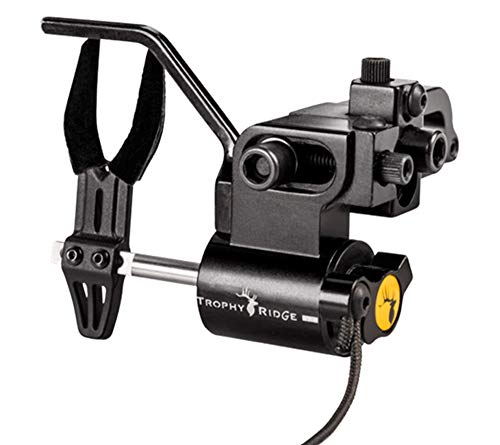 TOP CHOICEBest for hunters who want a quieter setupTrophy Ridge Sync MD Drop Away Arrow Rest, Right HandView on Amazon
- 3
 TOP CHOICEBest for limb-driven shootersTrophy Ridge Propel Limb Driven Arrow Rest, Right HandView on Amazon
- 4
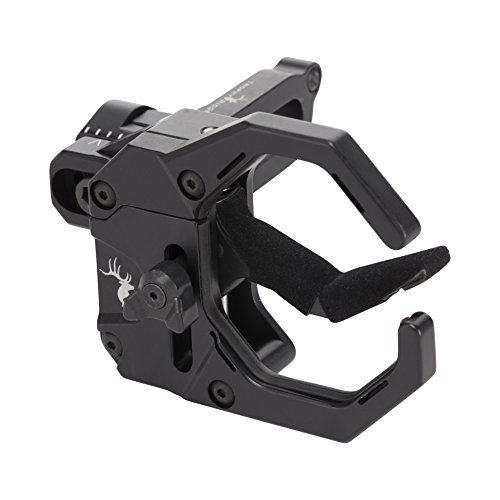 Best for left-handed archersTrophy Ridge HX Arrow Left Hand Rest, BlackView on Amazon
- 5
 Best budget pickTrophy Ridge Whisker Biscuit V Con Arrow Rest, AmbidextrousView on Amazon
Our Top Picks
Quick Comparison
| Product | Best for | Key feature |
|---|---|---|
| Trophy Ridge Sync Drop Away Arrow Rest, Right Hand | Most compound shooters | Drop-away action with a Sync-style cable connection |
| Trophy Ridge Sync MD Drop Away Arrow Rest, Right Hand | Hunters wanting a quieter setup | Dampened drop-away design |
| Trophy Ridge Propel Limb Driven Arrow Rest, Right Hand | Limb-driven and budget-minded shooters | Limb-driven release with no drop-away cable |
| Trophy Ridge HX Arrow Left Hand Rest, Black | Left-handed archers | Left-hand orientation with arrow-support fingers |
| Trophy Ridge Whisker Biscuit V Con Arrow Rest, Ambidextrous | Shooters who want constant arrow contact | Ambidextrous bristle-style contact |
Trophy Ridge Sync Drop Away Arrow Rest, Right Hand
Trophy Ridge Sync Drop Away Arrow Rest, Right Hand
Best for: Most compound shooters who want a drop-away rest
This is the model most archers start with. It suits right-handed compound shooters who want the arrow fully supported at full draw and then cleared out of the way at release. Owners generally describe it as a straightforward setup for a standard drop-away rest.
Key specs
- Right-hand configuration
- Drop-away design with Sync-style cable operation
- Designed for compound bows
Pros
- Clean, predictable drop-away action
- Right-hand orientation matches most compound setups
- Straightforward to set up for common arrow diameters
Cons
- Cable-driven operation requires periodic checking of tension
- Standard drop-away designs can be louder than limb-driven alternatives
Bottom line: A strong default choice for a right-handed compound shooter who wants a traditional drop-away rest without stepping into specialty hunting features.
View on AmazonTrophy Ridge Sync MD Drop Away Arrow Rest, Right Hand
Trophy Ridge Sync MD Drop Away Arrow Rest, Right Hand
Best for: Hunters who want a quieter setup
The MD designation points to a more dampened version of the Sync drop-away concept. It fits hunters who care about reducing the sound of the rest as it drops, since noise near an animal can matter as much as accuracy.
Key specs
- Right-hand configuration
- Drop-away design in the Sync family
- Intended for compound hunting setups
Pros
- Generally quieter drop than standard drop-away designs
- Same familiar Sync operation as the standard model
- Well suited to hunting setups where stealth matters
Cons
- Dampening features add some complexity to maintenance
- Owners often recommend checking for debris in the drop mechanism
Bottom line: The right choice for a right-handed hunter who wants the drop-away feature with reduced noise.
View on AmazonTrophy Ridge Propel Limb Driven Arrow Rest, Right Hand
Trophy Ridge Propel Limb Driven Arrow Rest, Right Hand
Best for: Limb-driven shooters
A limb-driven rest does not use a cable to drop the arrow. Instead, the bow limbs push the rest out of the way on release. Shooters who prefer a simpler, cable-free system often choose this style, and it is a common option for those who want fewer moving parts to maintain.
Key specs
- Right-hand configuration
- Limb-driven operation, no drop-away cable
- Designed for compound bows
Pros
- No cable to tune or replace
- Fewer moving parts than a drop-away system
- Good match for shooters who want a simpler setup
Cons
- Limb-driven performance depends on correct limb and timing setup
- Not always the first choice for hunters who prioritize maximum arrow clearance
Bottom line: A good fit for a right-handed archer who wants a cable-free rest and is willing to dial in limb contact.
View on AmazonTrophy Ridge HX Arrow Left Hand Rest, Black
Trophy Ridge HX Arrow Left Hand Rest, Black
Best for: Left-handed archers
Left-hand rests mirror the right-hand design, so the arrow sits on the correct side of the bow for a left-handed shooter. If you shoot left-handed, this is the orientation you need. Owners often describe the HX as a simple, no-frills option for this purpose.
Key specs
- Left-hand configuration
- Black finish
- Arrow-support fingers for basic arrow control
Pros
- Correct orientation for left-handed shooters
- Simple design with fewer adjustments to manage
- Black finish reduces glare on a bow
Cons
- Basic feature set compared with drop-away models
- Limited options if you later want to switch to a drop-away style
Bottom line: The practical choice for a left-handed archer who wants a straightforward rest.
View on AmazonTrophy Ridge Whisker Biscuit V Con Arrow Rest, Ambidextrous
Trophy Ridge Whisker Biscuit V Con Arrow Rest, Ambidextrous
Best for: Shooters who want constant arrow contact
A whisker biscuit style keeps bristles in contact with the arrow through the shot, rather than dropping away. Many archers prefer this for consistent arrow support and quiet operation. The ambidextrous design means it can be mounted for either hand, which is useful if you share a bow.
Key specs
- Ambidextrous configuration
- V-Con style whisker biscuit contact
- Constant arrow contact through the shot
Pros
- Ambidextrous, so it suits either hand
- Constant contact can aid arrow control
- Typically quiet, with no drop mechanism
Cons
- Bristles add some friction and need periodic inspection
- Arrow fletching can wear the bristles over time
Bottom line: A solid pick for shooters who want constant contact and an ambidextrous setup, especially at a budget-friendly tier.
View on AmazonBuying Guide
Drop-Away Versus Limb-Driven Versus Constant Contact
The biggest decision is how the rest releases the arrow. Drop-away rests clear the arrow at release using a cable, limb-driven rests use bow movement, and whisker biscuits stay in contact. Each affects noise, arrow clearance and maintenance differently. For a deeper comparison, see Drop Away Arrow Rest vs Whisker Biscuit: Which Should You Choose? and Limb Driven Arrow Rest: 6 Best Picks Compared for 2026.
Good picks for this: Trophy Ridge Sync Drop Away Arrow Rest, Right Hand; Trophy Ridge Whisker Biscuit V Con Arrow Rest, Ambidextrous
Handedness
Confirm whether you shoot right-handed or left-handed before buying. A right-hand rest is mounted for a right-handed shooter, and a left-hand rest is mounted for a left-handed shooter. Ambidextrous models can be configured either way, which helps if you share equipment.
Good picks for this: Trophy Ridge HX Arrow Left Hand Rest, Black; Trophy Ridge Whisker Biscuit V Con Arrow Rest, Ambidextrous
Noise and Stealth
For hunting, noise can alert game before the shot. Drop-away rests generally make more sound than constant-contact designs, but dampened models reduce that difference. If quiet operation is a priority, prioritize dampened or contact-style options.
Good picks for this: Trophy Ridge Sync MD Drop Away Arrow Rest, Right Hand; Trophy Ridge Whisker Biscuit V Con Arrow Rest, Ambidextrous
Arrow Diameter and Fit
Check that the rest accommodates your arrow diameter and fletching length. Fletching that is too long can catch on the rest, and an arrow that sits off-center can affect accuracy. Manufacturers typically publish supported arrow sizes, so compare those against your shaft specification. For shaft basics, see Types of Arrows in Archery: A Beginner's Guide to Shafts and Spines.
Good picks for this: Trophy Ridge Sync Drop Away Arrow Rest, Right Hand; Trophy Ridge Propel Limb Driven Arrow Rest, Right Hand
Use Case: Target Versus Hunting
Target archers often prioritize consistency and easy adjustment, while hunters may prioritize quiet operation and durability in the field. Both groups should consider how often they will adjust the rest and whether they will be shooting in wet or dusty conditions.
Good picks for this: Trophy Ridge Sync MD Drop Away Arrow Rest, Right Hand; Trophy Ridge Sync Drop Away Arrow Rest, Right Hand
Durability and Maintenance
Cable-driven rests need periodic checks of cable tension and pivot points. Whisker biscuits need bristle inspection, since worn or bent bristles can change arrow contact. Limb-driven rests reduce cable maintenance but still need regular checks of mounting hardware and timing.
Good picks for this: Trophy Ridge Propel Limb Driven Arrow Rest, Right Hand; Trophy Ridge HX Arrow Left Hand Rest, Black
Budget and Value
A simpler design usually means fewer parts to maintain and fewer features to tune. If you are new to archery, a basic model can be a sensible starting point, and you can upgrade later once you understand your shooting style.
Good picks for this: Trophy Ridge Whisker Biscuit V Con Arrow Rest, Ambidextrous; Trophy Ridge HX Arrow Left Hand Rest, Black
FAQ
What is the difference between a drop-away and a limb-driven rest?
A drop-away rest uses a cable to pull the arrow support out of the way at release. A limb-driven rest uses bow limb movement to do the same job, with no cable. Drop-away rests are common on compound bows, while limb-driven rests suit shooters who want fewer moving parts.
Do I need a left-hand or right-hand rest?
Yes. Match the rest to your shooting hand. Right-handed archers use a right-hand rest, and left-handed archers use a left-hand rest. Ambidextrous models can be configured for either hand.
Are whisker biscuit rests quieter than drop-away rests?
Owners generally report that constant-contact designs are quieter because nothing drops during the shot. Dampened drop-away models narrow the gap, so compare specific models rather than relying on the category alone.
How often should I check my arrow rest?
Check mounting screws, cable tension (for drop-away rests) and bristle condition (for whisker biscuits) regularly, especially after transport or heavy use. Manufacturers usually recommend a routine inspection, and you should follow the instructions included with your rest.
Can I use these rests on a recurve bow?
The models covered here are designed for compound bows. If you shoot a recurve, look at dedicated recurve rest options. For a recurve-focused comparison, see 7 Best Arrow Rests for Recurve Bows of 2026: Buyer's Guide.
Will a new rest improve my accuracy on its own?
Not by itself. Arrow rest quality matters, but accuracy also depends on nock height, tuning, form and sight setup. For common causes of misses, see Why Do Archery Attack Bows and Arrows Miss? 6 Causes and Fixes.
Where should I start if I am new to rests?
Start by deciding your hand orientation and whether you want drop-away or constant contact. Then read What Holds Arrows in Archery: Quivers, Arrow Rests and Holders Explained to understand how rests fit into your setup.
Conclusion
For most right-handed compound shooters, the Trophy Ridge Sync Drop Away Arrow Rest, Right Hand is a sensible default. Hunters who want quieter operation should look at the Sync MD. Limb-driven fans will find the Propel a cable-free option. Left-handed archers need the HX Left Hand model, and shooters who want constant contact and ambidextrous setup should consider the Whisker Biscuit V Con. Match the rest to your hand, your shooting environment and how much maintenance you want to manage.
Sources
- Rules, equipment standards and safety guidance for target and field archery
- Background on fair equipment use and rules that apply to competitive archers
- General product safety information and guidance for sporting equipment (cpsc.gov)
Related reading
About Ethan Brooks
Ethan Brooks is part of our editorial team and reviews and edits our target archery guides, checking product details against manufacturer specifications and owner feedback.
About the author
Ethan Brooks writes reviews and buying guides for Archery Society.